
SJC Denies Cert in Baas-Thomas case, declines to recognize and clarify licensing delays
Boston - Baas-Thomas v. Cox, GOAL and Comm2A’s licensing delay case in Boston, was remanded back down to the Suffolk Superior Court last week, further impeding and delaying efforts to define and streamline the licensing process in Massachusetts. In the Commonwealth, once a completed LTC or FID application is accepted by the licensing authority, that police department has 40 days to either issue or deny the license. Once that date is passed, the applicant can then seek a judicial review in the District Court and have a judge direct the licensing authority to make that decision.
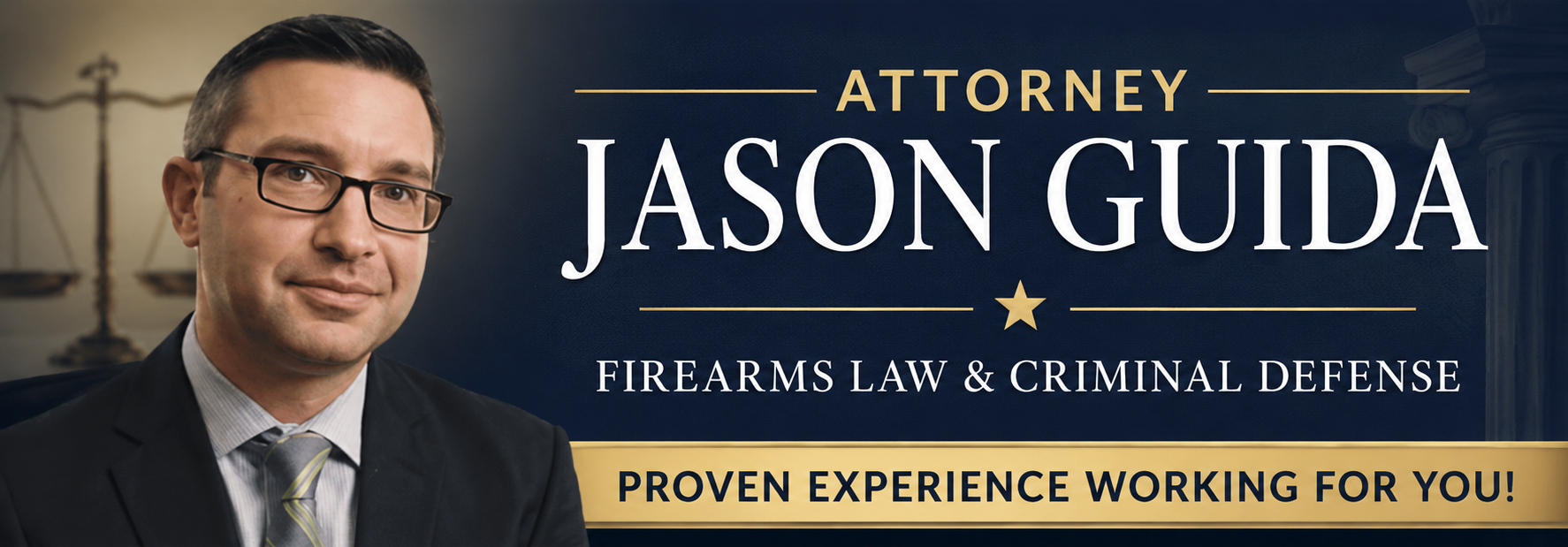
Following a delay, Mr. Baas-Thomas filed for judicial review. In denying the petition the Boston Municipal Court ruled that the 40-day time limit was unenforceable since there were no specific consequences for delays listed in the statute and, therefore, Boston Police Department is free to take as long as they want to issue an LTC. Attorney Jason Guida filed a writ of certiorari to the MA Supreme Judicial Court (SJC) challenging this outrageous lower court ruling but, unfortunately, the SJC chose not to right this wrong. The case has now been sent to a lower court and will likely take years to work its way back to the appellate level. Boston residents, in the meantime, are waiting an average of 8-10 months to be issued an LTC.
"We at Comm2A are frustrated with the strategy of kicking the proverbial can down the road by the judicial branch of government when it comes to the Constitutionally protected Second Amendment Rights of the residents of the Commonwealth,” said Chris Martel, President of Comm2A. “The statute is clear, yet police departments are free to ignore and violate the law with no consequences because the courts refuse to draw a line in the sand. While this is not unexpected, these games need to end."
“The decision to remand this issue to a lower court is frustrating but not surprising,” said Attorney Jason Guida. “The three branches of government in Massachusetts continue to align on a mission to frustrate the lawful exercise of Second Amendment rights in the Commonwealth.”
“This is such a clear example of how all three branches of the MA state government work together to discourage the exercise of a Constitutional civil right,” said Mike Harris, Director of Public Policy for GOAL. “ The Legislature passes an unenforceable law, Executive branch licensing authorities choose not to follow that law and the justices in the Judicial branch abdicate their responsibility to ensure the law is properly enforced.”